
By aligning its most cherished cultural celebration with statecraft, Mongolia has discovered a potent instrument of soft power: Naadam Diplomacy.
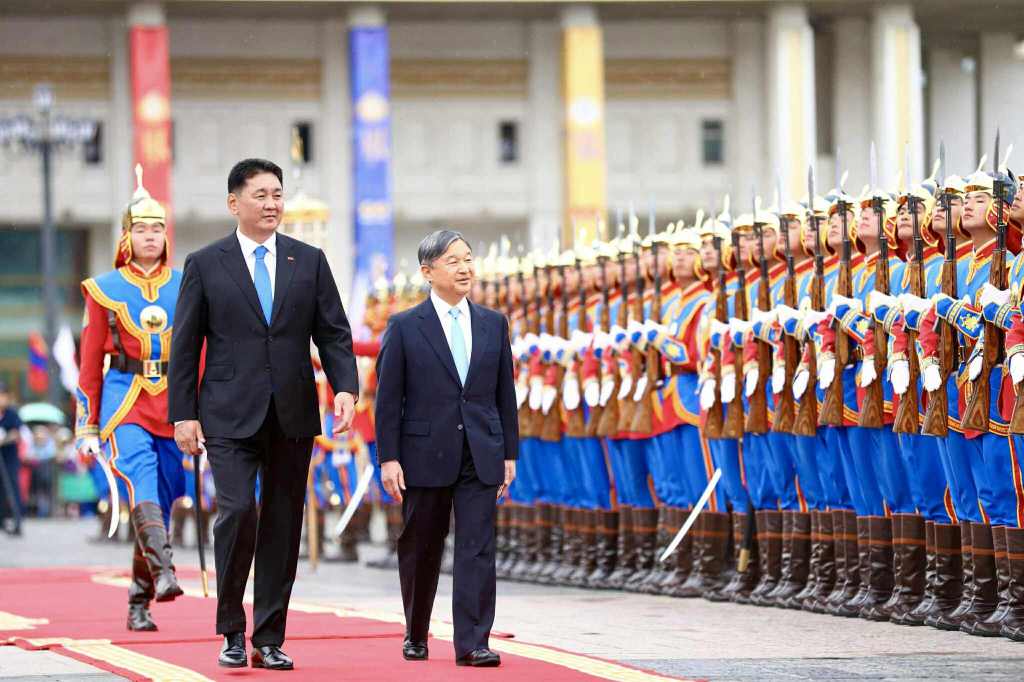
In a recently concluded visit from July 6 to 13, 2025 Mongolia hosted Japanese Emperor Naruhito and Empress Masako, who spent eight days in the country, attending the Naadam festival as honored guests. This first ever visit by a Japanese emperor not only deepened Mongolia-Japan relations but also highlighted the cultural significance of Mongolia’s diplomatic stagecraft. By aligning such a historic royal visit with its most cherished celebration of sovereignty, Mongolia once again demonstrated how Naadam stands at the heart of its foreign relations.
Every year in mid-July, Mongolia comes alive with a vibrant celebration of national identity. The festival of Naadam – featuring wrestling, archery, and horse racing – traces its roots to the martial traditions of the steppe and the sovereign rituals of the Mongol Empire. In recent years, however, Naadam has become more than a symbol of historical memory. It has emerged as a carefully curated stage for high-level diplomacy.
By inviting foreign monarchs and heads of state to witness and participate in the festivities, Mongolia has transformed Naadam into a platform of soft power projection, elevating its foreign policy with a distinctive blend of tradition, ceremony, and cultural weight.
Naadam: A Festival of Sovereignty and Spirit
Naadam, known traditionally as “the three manly games,” is Mongolia’s foremost public holiday. Wrestling, archery, and horse racing – skills essential to survival and warfare on the steppe – have long been central to the festival, which historically doubled as a display of allegiance to the khan. Its spiritual and political significance persisted through centuries, adapting with the times.
Since the 20th century, Naadam has served as the official commemoration of Mongolia’s 1921 revolution, marking the country’s modern independence. It is a public holiday characterized by patriotism, ceremony, and a strong sense of national identity. For Mongolia, Naadam is not just a spectacle. It is statehood expressed through tradition.
How Naadam Became a Diplomatic Stage
In July 2023, the King of Bhutan, Jigme Khesar Namgyel Wangchuck, visited Mongolia during the Naadam festival. The symbolism of two small, landlocked, Buddhist nations reaffirming ties through cultural exchange resonated far beyond the Central Asian steppe. The King’s presence – draped in traditional attire, applauding Mongolian wrestlers, observing archery matches – captured the attention of both locals and international media alike. It amplified both countries’ profiles and highlighted the quiet power of cultural diplomacy.
Far from being a coincidence, these visits are part of a growing strategy by Mongolia’s Foreign Ministry and the Presidential Office to synchronize high-level diplomacy with culturally meaningful moments – most notably, Naadam.
The logic is straightforward: host foreign dignitaries when Mongolia is at its most confident, unified, and culturally expressive.
Mongolians themselves often take immense pride in seeing their traditions showcased on a world stage, with visiting royals and presidents honoring local customs and culture.
The recent state visit by Emperor Naruhito and Empress Masako offered a vivid new chapter in this story. As honored guests of the Naadam festival, they attended the opening ceremony, greeted festival crowds at the Central Stadium, and explored the archery fields and knuckle-bone shooting tents before watching the celebrated horse races at Khui Doloon Khudag. The Emperor also spoke warmly of Mongolia’s Naadam-linked initiative to establish a “World Horse Day,” recognizing its global cultural symbolism. For many Mongolians, seeing the Japanese imperial couple embrace these traditions was a clear affirmation of their heritage. It underscored how Naadam, with all its tradition and ceremony, has become not just a stage for celebration, but a platform of cultural significance that amplifies Mongolia’s voice in the world.

Culture: Soft Power in Action
The term “soft power,” coined by Joseph Nye, refers to a nation’s ability to influence others through appeal and attraction rather than coercion. For Mongolia, a country with limited economic or military clout, soft power offers a compelling alternative. Through Naadam Diplomacy, Mongolia demonstrates how cultural authenticity and meaningful traditions can play a strategic role in international engagement.
Hosting monarchs during Naadam sends a powerful message: Mongolia is proud of its heritage, capable of ceremonial display, and open to friendship on its own terms. The ceremonial hospitality extended to visiting dignitaries – ranging from traditional clothing to cultural performances – immerses guests in a narrative of Mongolian resilience, history, and spiritual depth. It is a message that transcends politics and speaks to the universal human appreciation for culture and continuity.
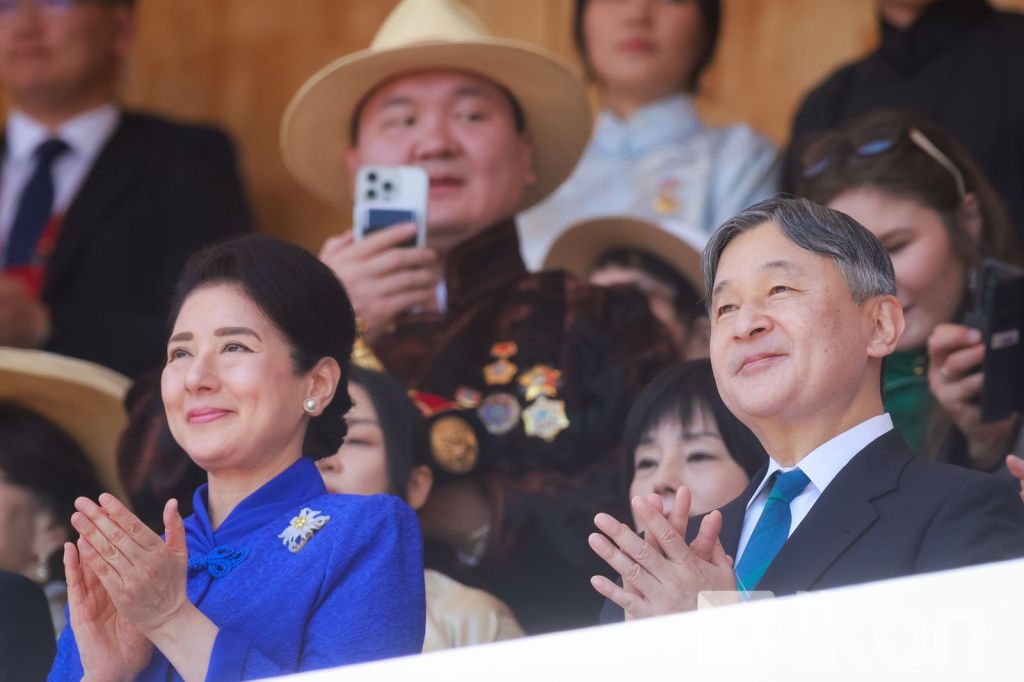
For countries with strong cultural traditions or monarchies of their own, such as Bhutan and Japan, Naadam becomes more than a diplomatic gesture. It becomes a mirror. Through it, leaders encounter a nation that understands the dignity of symbolism and the importance of respectful tradition.
Why Naadam Diplomacy Matters
Naadam Diplomacy is not merely aesthetic. It carries strategic utility in Mongolia’s geopolitical landscape:
- Diversification of foreign relations: Caught between two powerful neighbors, China and Russia, Mongolia has long pursued a “Third neighbor” policy. Naadam Diplomacy reinforces ties with culturally aligned or geopolitically strategic partners across Asia and beyond.
- National branding: In the global marketplace of narratives, countries must assert a unique identity. For Mongolia, Naadam is a brand that encapsulates strength, honor, independence, and tradition.
- Humanizing statecraft: Traditional diplomacy can be cold and transactional. Naadam’s cultural dimensions offer a warmer, more human avenue of engagement that builds trust and mutual respect.
- Domestic legitimacy: Hosting prestigious foreign guests during Naadam boosts national pride and strengthens the perception of Mongolia as a respected, sovereign actor.
The Choreography of Ceremony
State visits during Naadam follow a carefully crafted script. Foreign guests are often adorned in traditional deel, welcomed by honor guards, and treated to performances of khoomei (throat singing) and morin khuur (horse-head fiddle) music. Rituals such as airag toasts and ceremonial processions show how hospitality and diplomacy are closely intertwined in Mongolia’s approach.
In this context, culture becomes a language of diplomacy – one that transcends translation and speaks to the heart. By engaging foreign leaders emotionally and spiritually, Mongolia amplifies its international appeal and asserts its cultural confidence.
Conclusion: A Sovereign Stage
In a century dominated by globalized sameness, Naadam is strikingly unique. It stands as Mongolia’s living testament to its past and a platform for its future. Through Naadam Diplomacy, Mongolia performs sovereignty – not as confrontation, but as invitation. It welcomes the world not to observe a relic, but to witness a nation alive in its tradition.
In the presence of wrestlers, archers, galloping horses, and ancient songs, foreign dignitaries do not merely attend a festival, they see a country expressing its identity with confidence. They are reminded that diplomacy can be cultural, that sovereignty can be ceremonial, and that power can be soft yet enduring.
Looking ahead, some Mongolian policymakers have begun considering how to build on this momentum by pairing Naadam with more regular high-level visits or cultural gatherings. Such ideas, whether annual summits, regional forums, or targeted cultural exchanges, reflect Mongolia’s interest in using tradition to advance practical foreign policy goals and strengthen its position as a trusted partner in regional dialogue.
Naadam Diplomacy is ultimately more than an event strategy. It is a careful approach to engagement, rooted in respect for Mongolia’s own history and in a clear sense of how cultural confidence can shape international relationships.
 Арктус Аналитикс ХХК
Leave a comment