
Bolor Lkhaajav | Policy Consultant, Op-Ed Contributor – Arctus Analytics
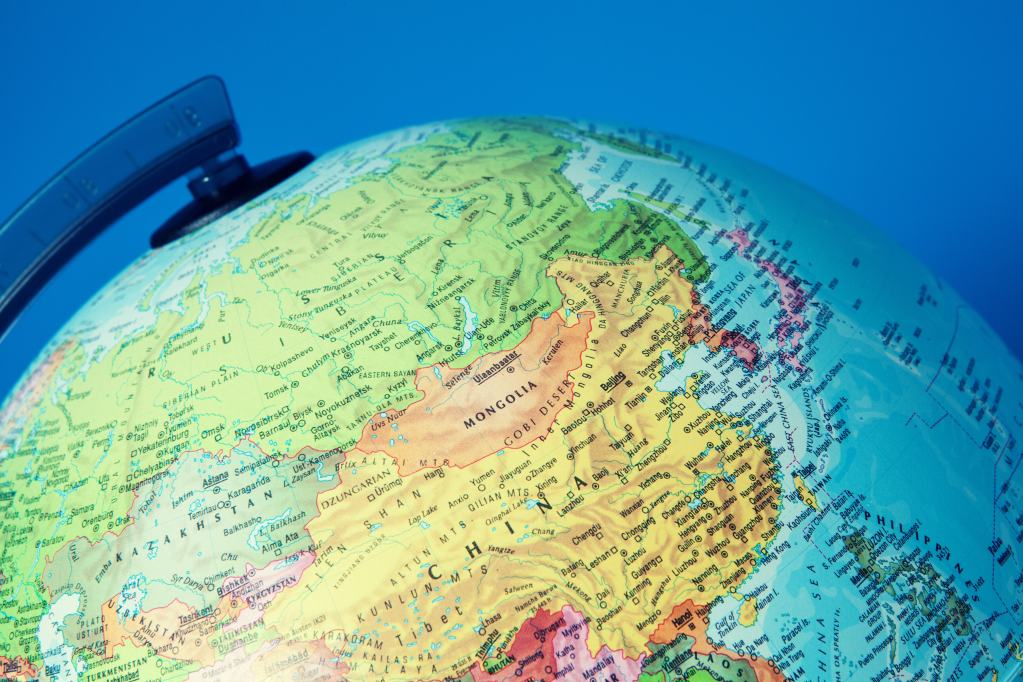
Global geopolitics and global partnerships are going through a major transition. Some view that Mongolia’s long-standing ‘third neighbor strategy’ – aimed at balancing Chinese and Russian influence through deeper ties with the United States, Europe, Japan and South Korea – is under strain as Western development engagement recedes and coal exports become increasingly tied to China. Despite this view, Mongolia’s Third Neighbor doctrine presents a much larger framework that envisages cooperation mechanisms in all sectors and stages of development and is not solely restricted to the country’s mining sector.
Since 2011, Mongolia has been implementing what it has coined as the “Third Neighbor Policy.” At its core, the third neighbor doctrine is both a concept and a foreign policy practice that encompasses multi-pillared mechanisms that support Mongolia’s geopolitical balance between two superpowers Russia and China while also placing an impetus on reinvigorating the country’s bilateral and multilateral engagements outside of their respective spheres of influence. The underlying principle is that stronger diplomatic relations and mutual political trust can create opportunities for deeper economic cooperation and investment.
Expanding Partnerships with East Asian Third Neighbors
Mongolia’s partnerships with Japan and South Korea play an important role in its economic diversification strategy. As both countries seek to strengthen supply chains and secure access to critical minerals, Mongolia has opportunities to expand cooperation in investment, technology, infrastructure, and other strategic sectors.
Mongolia holds an estimated USD 1-3 trillion in untapped mineral reserves, including significant deposits of copper, fluorspar, coal, and rare earth elements (REEs), making it a potential partner in South Korea’s efforts to diversify critical mineral supply chains and secure resources for its advanced manufacturing industries.
In July, during South Korea’s President Lee Jae-myung’s state visit to Mongolia, Ulaanbaatar and Seoul reached an agreement in principle on a Comprehensive Economic Partnership Agreement (CEPA) which included eliminating 2-5 percent tariffs on critical minerals. The year before in 2025, South Korea’s critical minerals research hub was established in Ulaanbaatar, which was recently followed by a launching of joint scientific research between the Mongolian National Rare Earth Corporation and the Korea Basic Science Institute.
Mongolia’s mineral resources are strategically important to South Korea’s semiconductor and defense industries. The CEPA, alongside growing bilateral commercial ties, could help Mongolia diversify its export markets and develop new opportunities in critical minerals.
In addition to having robust economic relations with Seoul, Ulaanbaatar and Tokyo’s economic partnership has shown tangible values in the last decade. Japanese investment and cooperation have also played an important role in advancing Mongolia’s economic diversification strategy, particularly in infrastructure.
In 2021, Japan International Cooperation Agency (JICA)-funded airport Chinggis Khaan International Airport in Mongolia became operational with the soft loan of approximately USD 600 million in a jointly held enterprise of Mongolia and Japan. In a recent visit of Mongolia’s Prime Minister Uchral Nyam-Osor, the two governments aim to extend additional loans for the airport expansion project.
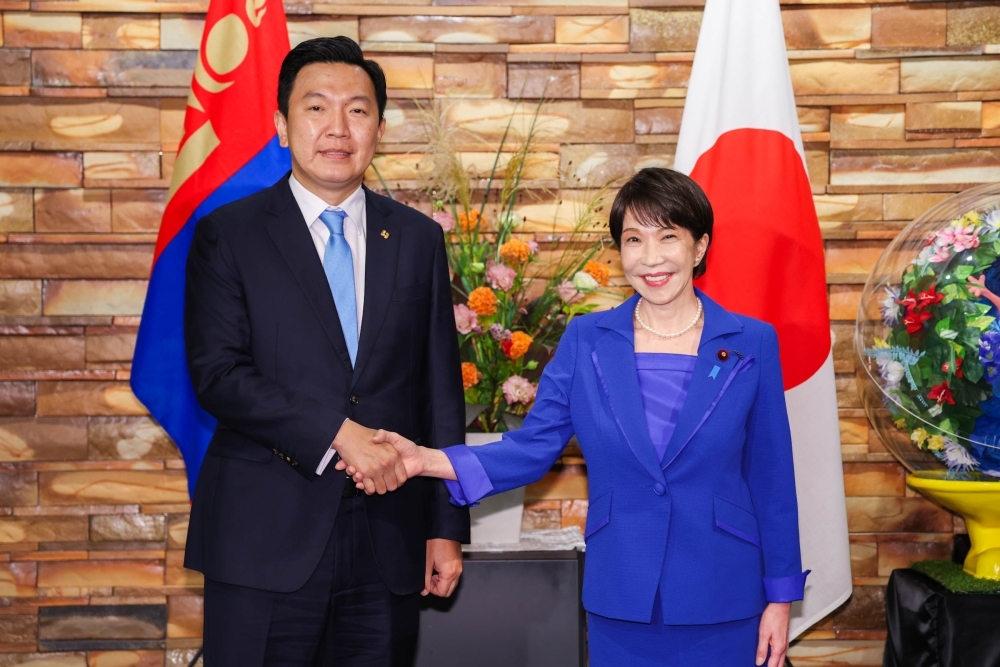
Moreover, Japan has also shown interest in Mongolia’s natural resources, aligning with Tokyo’s strategy to reduce its dependence on China. The Mongolia-Japan 2022–2030 Action Plan underpins this partnership. Japan has also been involved in Mongolia’s planned development of the historic city of Karakorum. Since establishing a Special Strategic Partnership in 2022, Mongolia and Japan have sought to expand cooperation in healthcare, education, defense, food security, and supply chains.
Diversifying Partnerships Beyond East Asia
Since the formal adoption of Mongolia’s Third Neighbor Policy in 2011, the country has expanded its cooperation with partners beyond East Asia. The United States, France, India, the European Union, and Türkiye each play distinct roles in Mongolia’s efforts to diversify its economy and development partnerships.
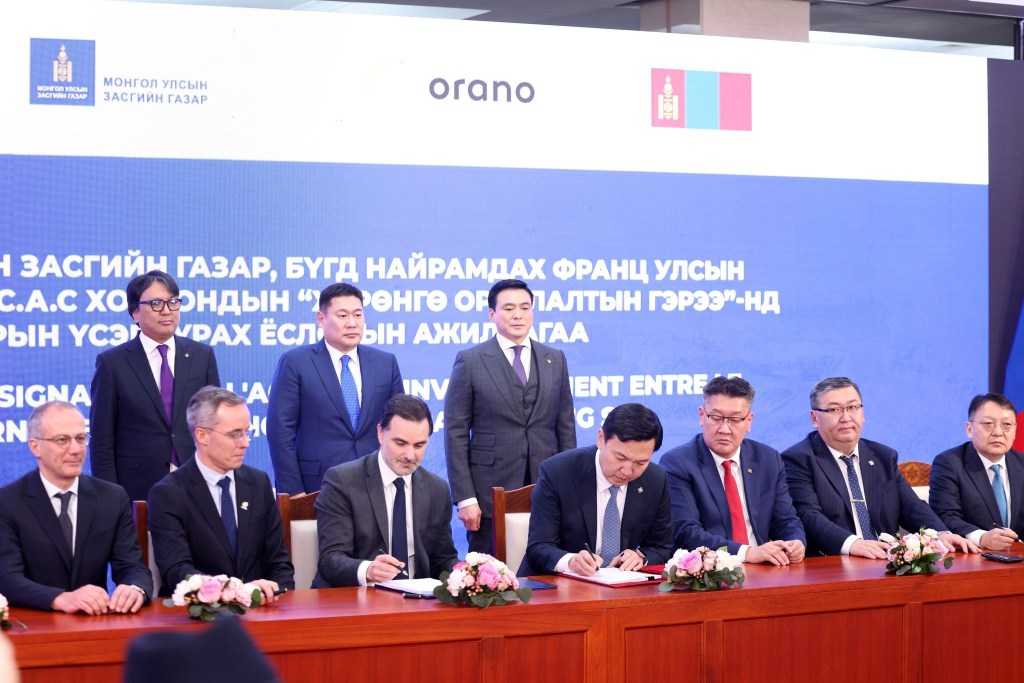
Mongolia’s European partners such as France and Germany’s cooperation mechanisms are diverse, focusing on democracy, civil engagements, development, and technical support rather than solely based on the extractive sector. With exception to the Mongolia-France landmark deal in 2025, France’s Orano and the Mongolian government signing a USD 1.6 billion investment agreement to extract uranium, which Badrakh Energy, a joint venture between Orano and Mongolia’s state-owned MonAtom Group, will be responsible for the industrial operation of the uranium deposit in Dornogovi province. The Zuuvch-Ovoo and Dulaan Uul deposits are estimated to have uranium resources of close to 90,000 tonnes.
In the last decade, Mongolia’s diversification strategy has expanded over the years as markets and development sectors transform. India and Turkiye’s bilateral relations with Mongolia have shown immense cooperation with India’s USD 1.7 billion soft loan to build Mongolia’s first greenfield oil refinery and Türkiye jumpstarting Mongolia’s first ammunition factory and already started production.
At the same time, there are legitimate geopolitical challenges Mongolia needs to navigate. This spring, a USD USD 350 million dollar project, the Millennium Challenge Corporation’s Water Compact came to fruition, marked as one of the largest development projects between Mongolia and the United States. While Mongolia was included in the US-led 2026 Critical Minerals Ministerial, given Washington’s limited attention and failed attempts to end the Russia-Ukraine War and its ongoing trade war with China certainly neglects Mongolia’s interest in strengthening economic links with the U.S. The latest U.S. State Department’s 2026 Investment Climate Statement highlights persistent challenges in Mongolia’s investment environment, which continue to limit opportunities for stronger economic ties between the two countries.
Overcoming External Geopolitical Challenges
Mongolia’s Third Neighbor Policy seeks to expand the country’s economic and strategic partnerships without diminishing its relationships with Russia and China. Given Mongolia’s geographic position and economic dependence on its immediate neighbors, maintaining stable relations with both Moscow and Beijing remains essential to the country’s long-term development.
Russia’s war in Ukraine has exposed Mongolia’s vulnerability to disruptions in energy supplies, given its continued reliance on Russian fuel imports. At the same time, Mongolia has opportunities to diversify its energy sector by attracting investment in renewable energy, including from China. Such investment could help reduce reliance on coal-based power generation while expanding Mongolia’s energy infrastructure.
Moreover, China will likely remain the top destination for Mongolian coal, copper and iron ore. With new railroads being built, Beijing’s import of Mongolian mining products is expected to grow. In April 2026, China’s coal imports from Mongolia surged 61 percent, marking an increase in China’s manufacturing industries.
Beyond mining and energy, the Third Neighbor Policy can also help attract investment into essential sectors such as water infrastructure and waste management. Expanding cooperation in these areas would further diversify Mongolia’s development partnerships while improving the livelihood of the Mongolian people.
Conclusion
While recognizing Mongolia’s dependency on its neighbors, we can conclude that not all third neighbor endeavors are aimed at counterbalancing Russia and China, rather it’s intended to expand opportunities beyond what Moscow and Beijing can offer. Thus, it has been and will continue to be in Ulaanbaatar’s strategic interest to maintain the highest-level relations with both neighbors.
Yet, the Third Neighbor Policy alone cannot fully protect Mongolia’s interests or economic endeavors from external geopolitical and economic shockwaves. As emerging technologies bring new levels of security concerns, Ulaanbaatar’s third neighbor links will diversify. In cybercrime as well as disinformation campaigns, threats that are non-linear require high-tech, democratic partners. In a time of transition and uncertainty, Mongolia may at times hedge to protect its national interests, but what is more important and timelier is the need to convince third neighbor partners to diversify their investments into Mongolia so that it can reduce vulnerabilities to external shocks and strengthen its resilience.


Leave a Reply